(Hybrid) Linda Kinstler on the Haunting of History
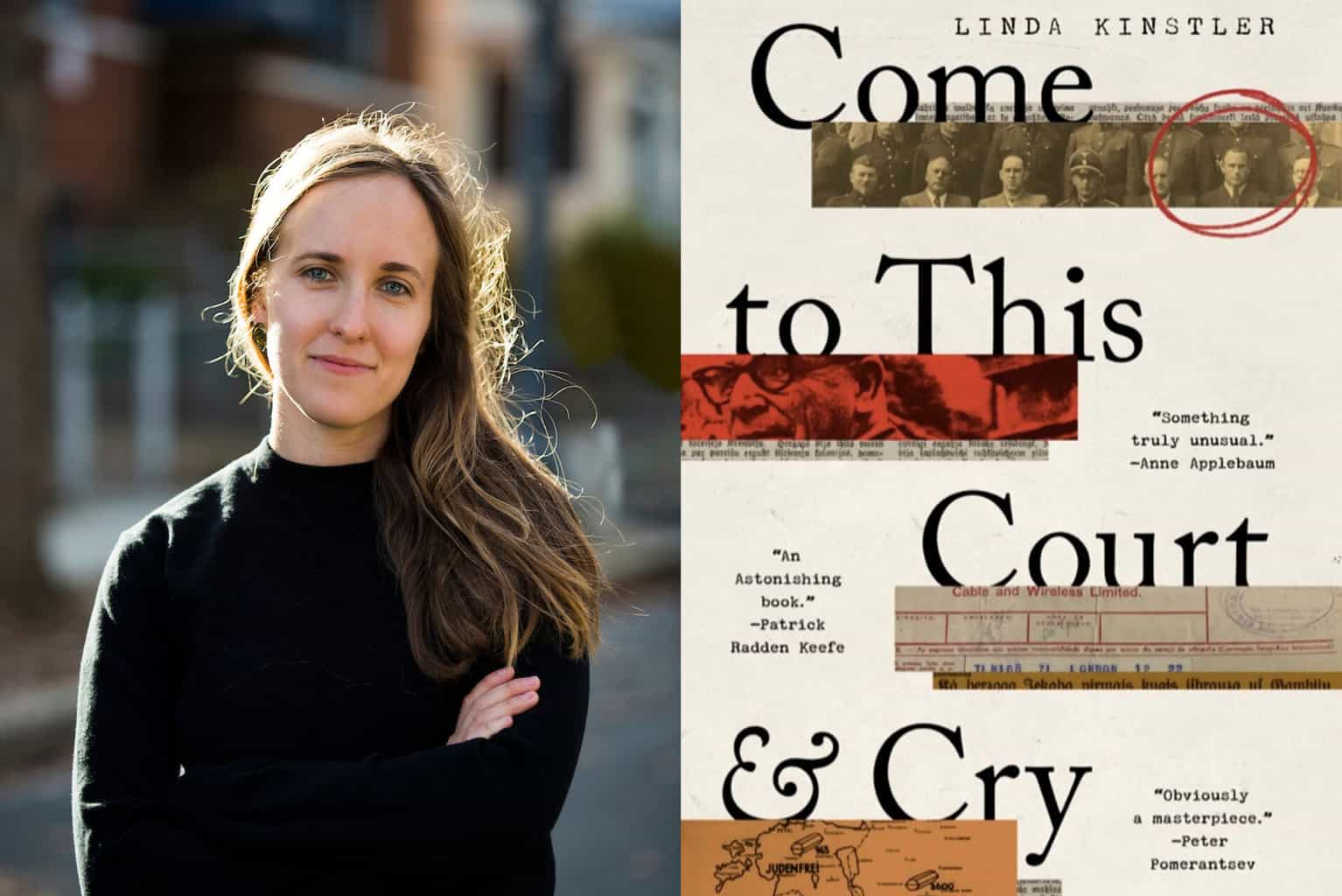
Family history, national memory, and international justice collide in Linda Kinstler’s non-fiction debut Come to This Court and Cry, a searching account of the Holocaust’s legacy in the present day.
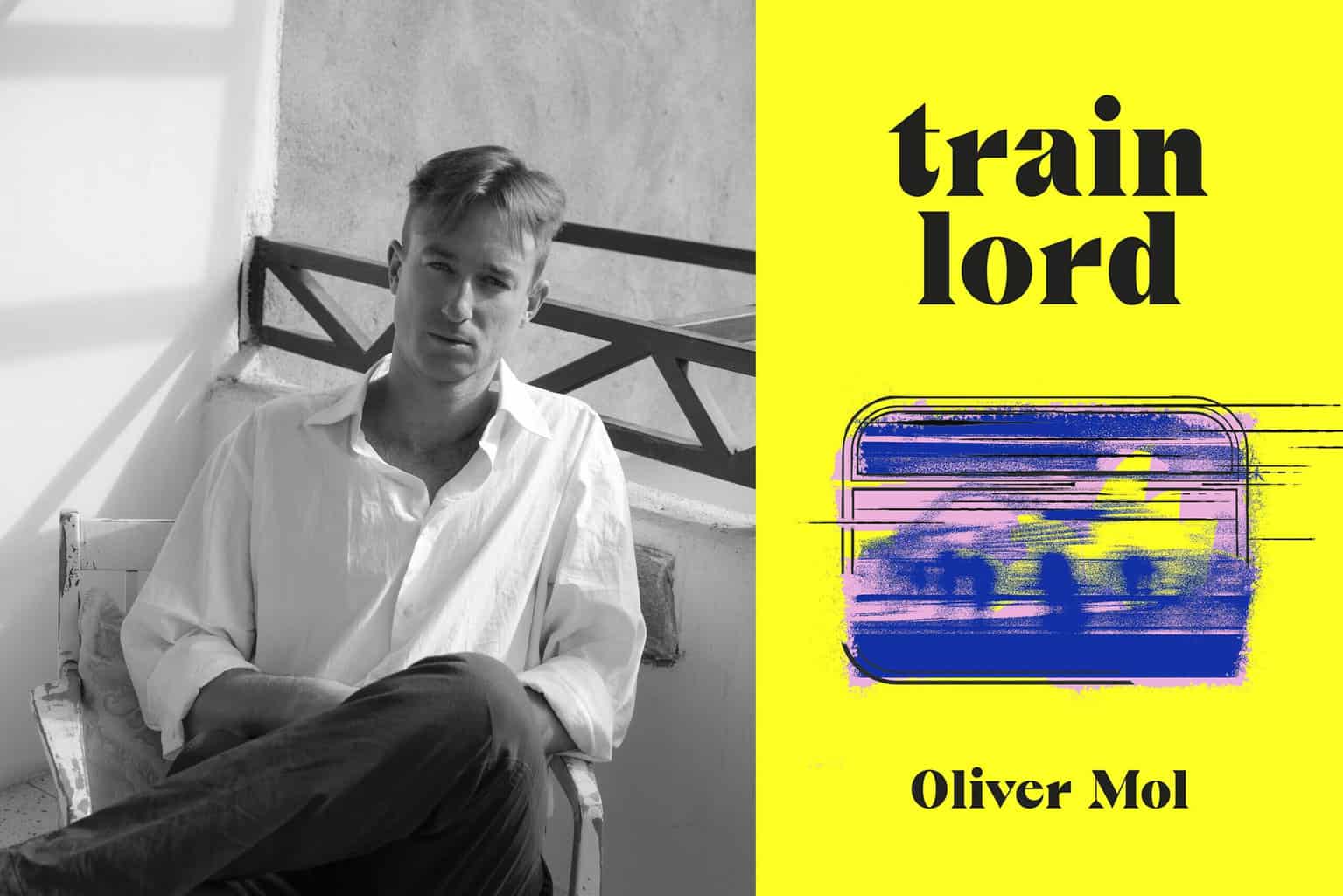
When a 10-month migraine made writing impossible, author Oliver Mol started a new role as train guard. He discusses a life derailed by chronic pain and the surprising trajectory of his journey back to himself.
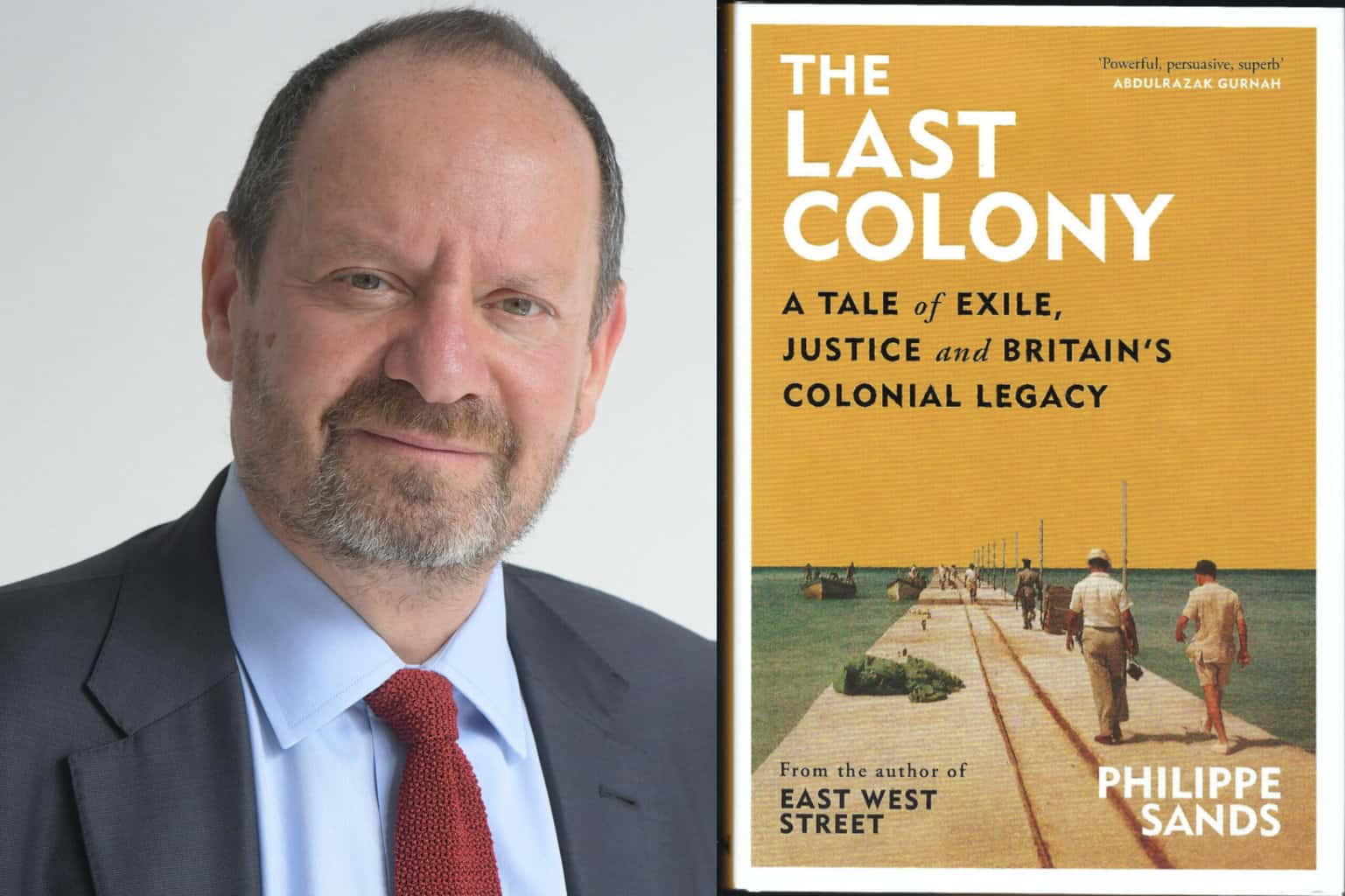
Human rights lawyer Philippe Sands speaks on British colonialism, international law, and his time before the International Court of Justice defending the Chagossian population.
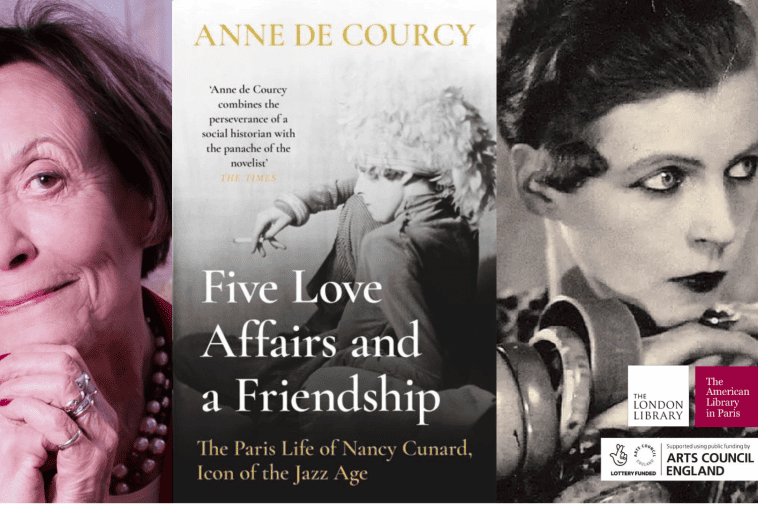
The London Library partners with the American Library in Paris to host Anne de Courcy in a discussion on writer, heiress political activist, and icon of the Jazz Age Nancy Cunard.
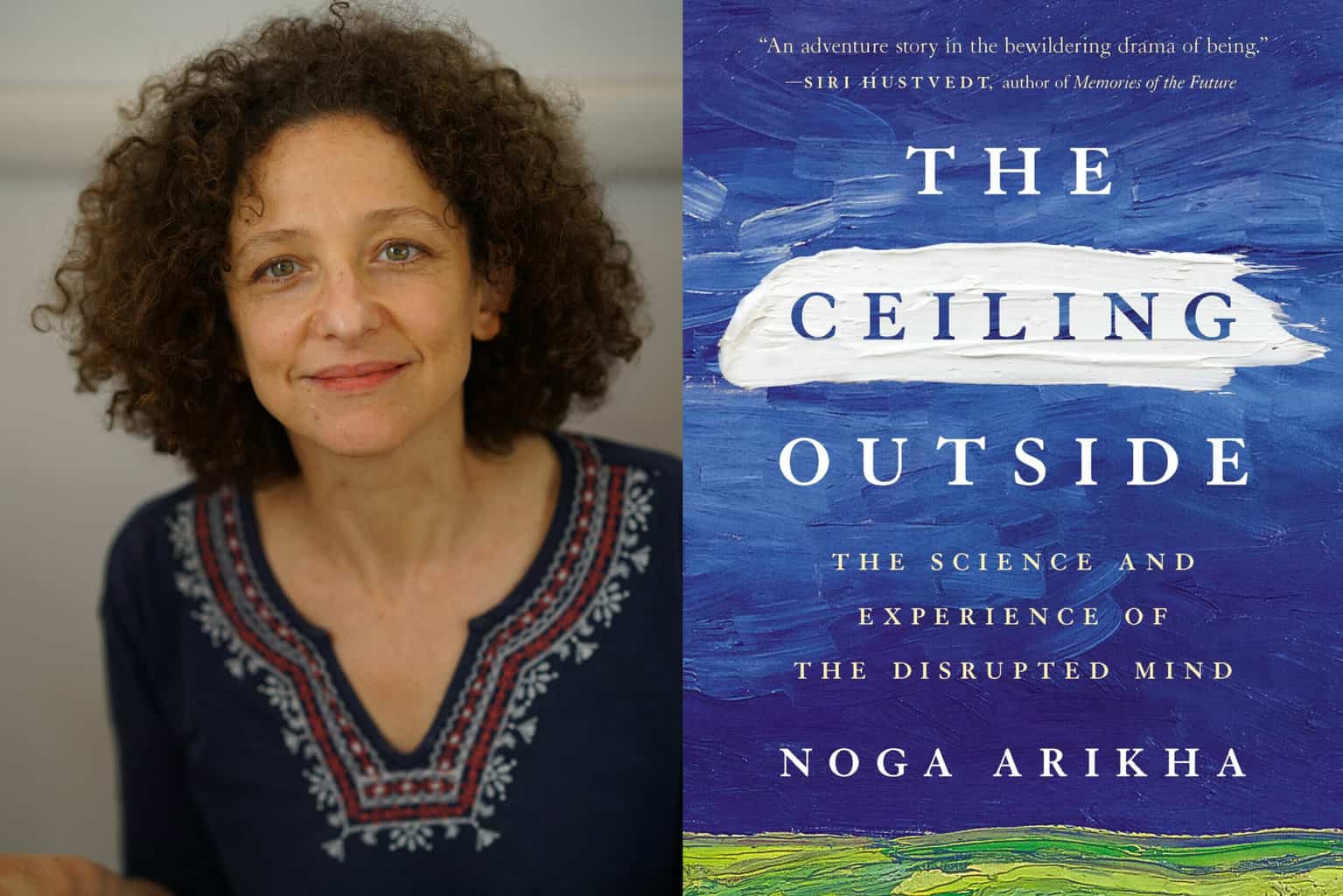
What happens to the self when the mind begins to deteriorate? Science humanist Noga Arikha speaks with Rachel Donadio on neuropsychiatry and philosophy.
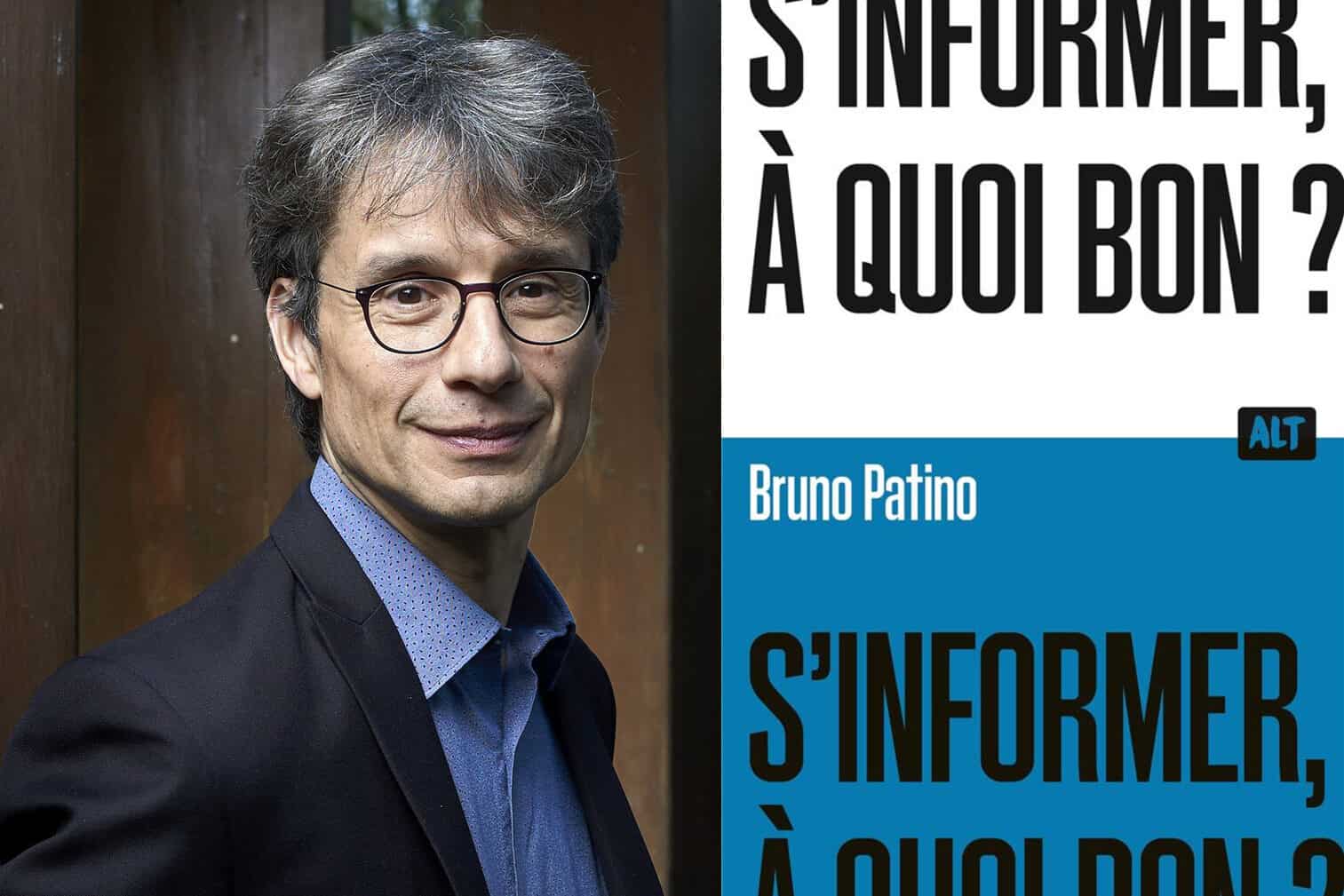
President of ARTE Bruno Patino speaks on media consumption, human connection, and information as a public good faced with the digital age.
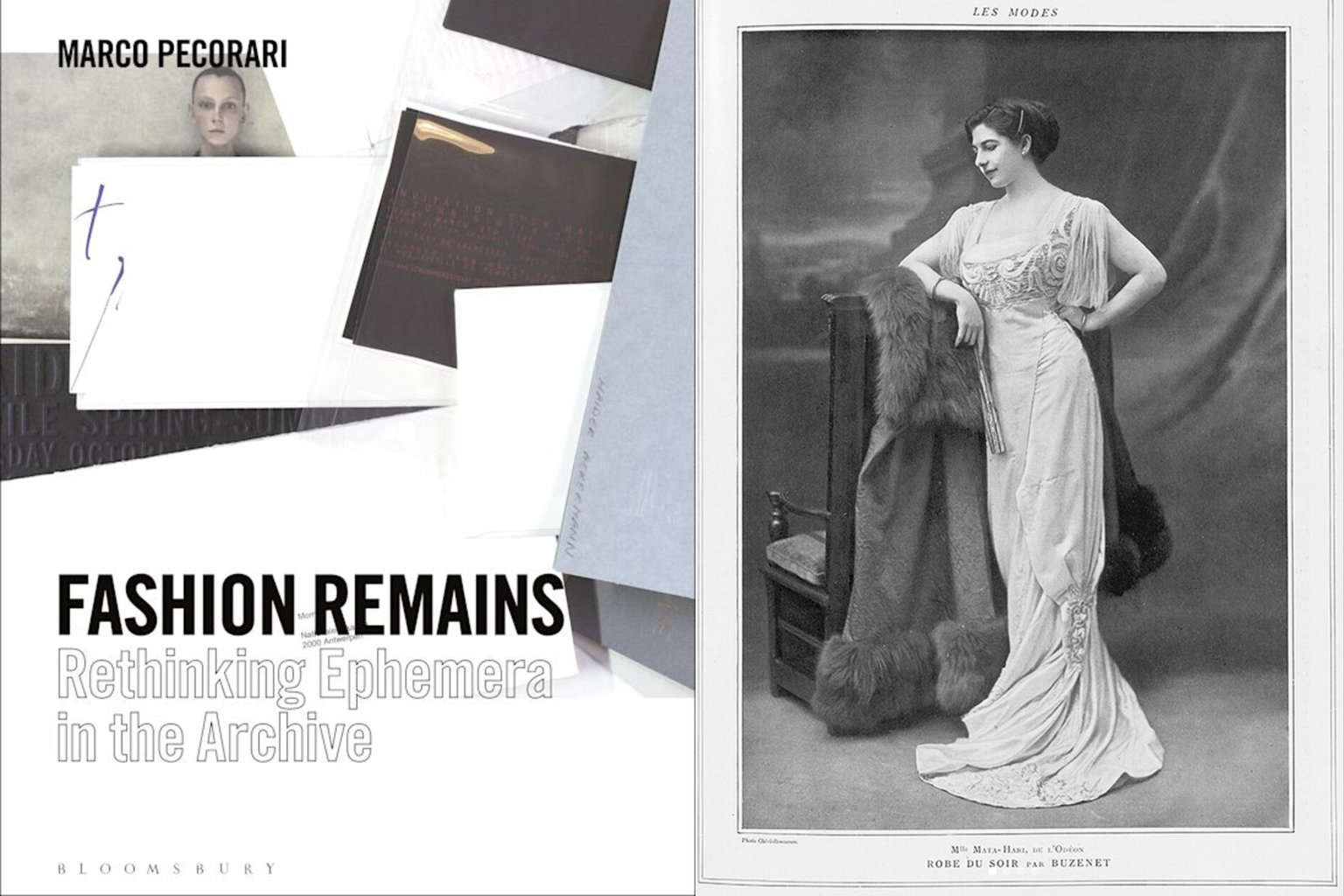
How is the story of fashion written? What goes into the records, and what is lost to time? A panel on the history of fabric and fabricating fashion archives.
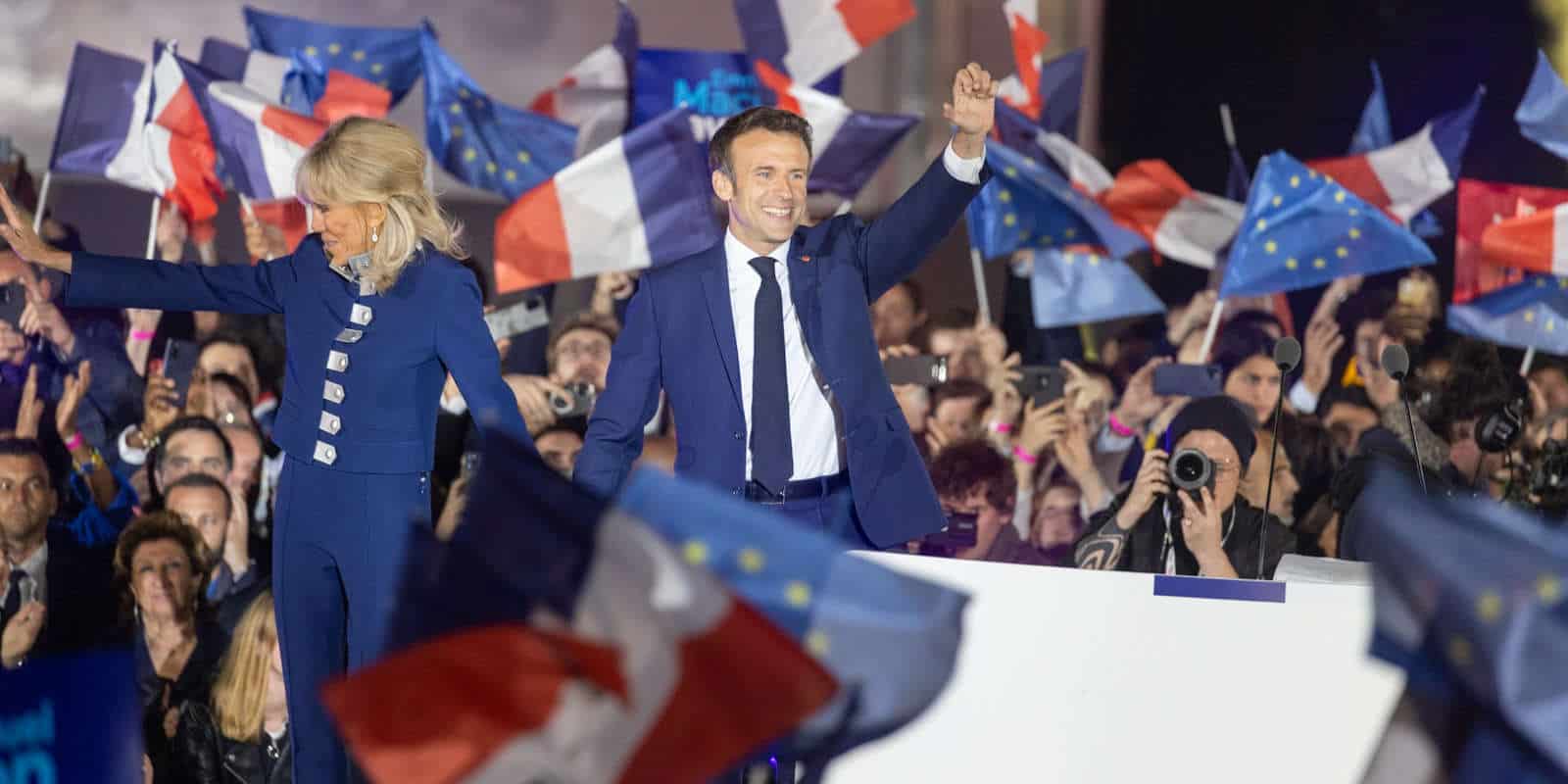
What has gone wrong in Macron's second term, and what has gone right? Where do we go from here? In partnership with the Overseas Press Club of America, journalists convene in a panel moderated by Vivienne Walt to discuss.
Meeting four of Critical Conversations, an expert-led discussion series. This season: a reflection on how to lead a contemplative, vital, and unmediated life in an ever-faster digital world.
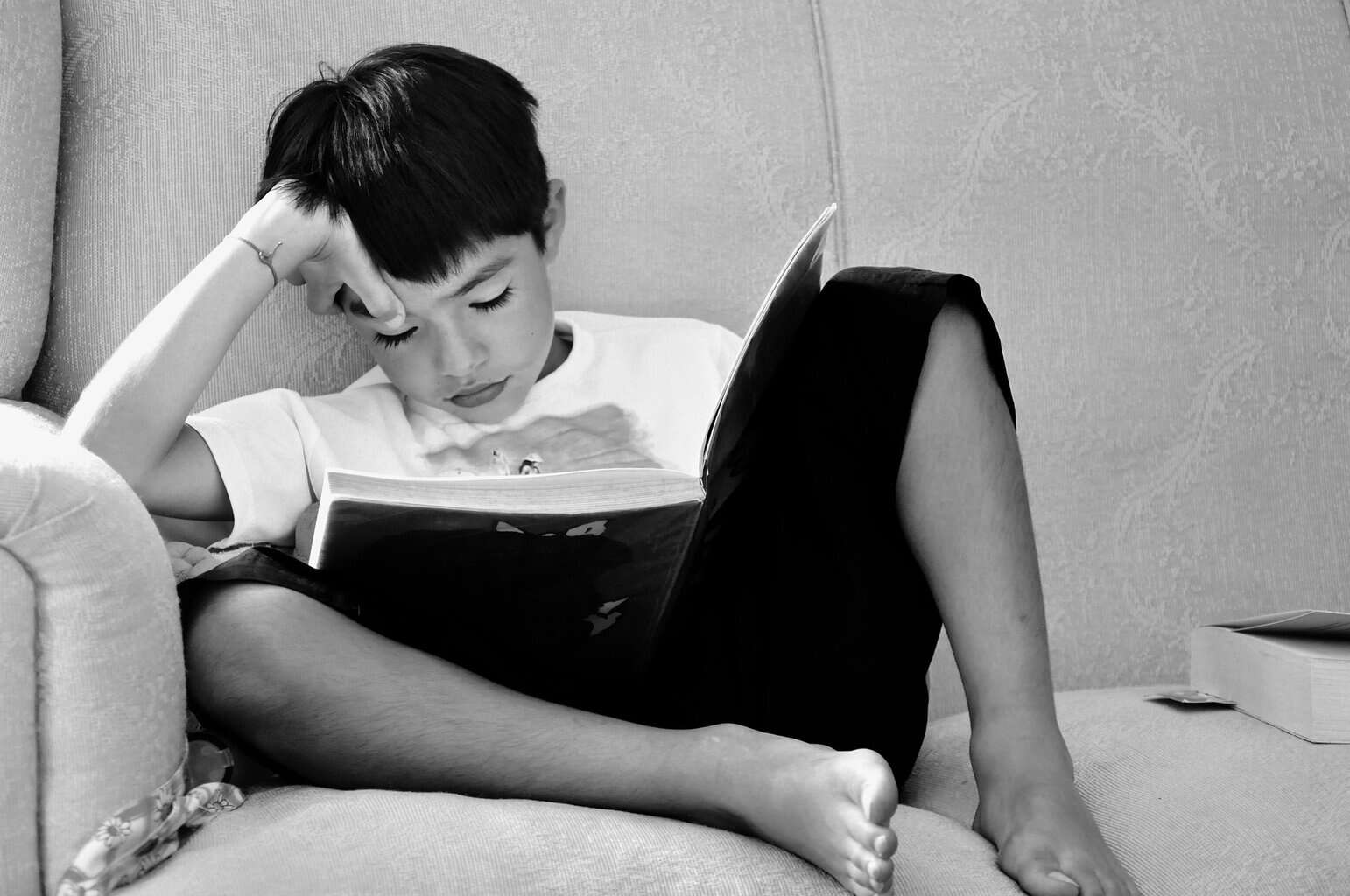
Explore what research-backed strategies and practices can be implemented at home to strengthen reading.
Simone de Beauvoir’s lived experiences were instrumental to the development of her philosophy. Who was the woman behind The Second Sex?
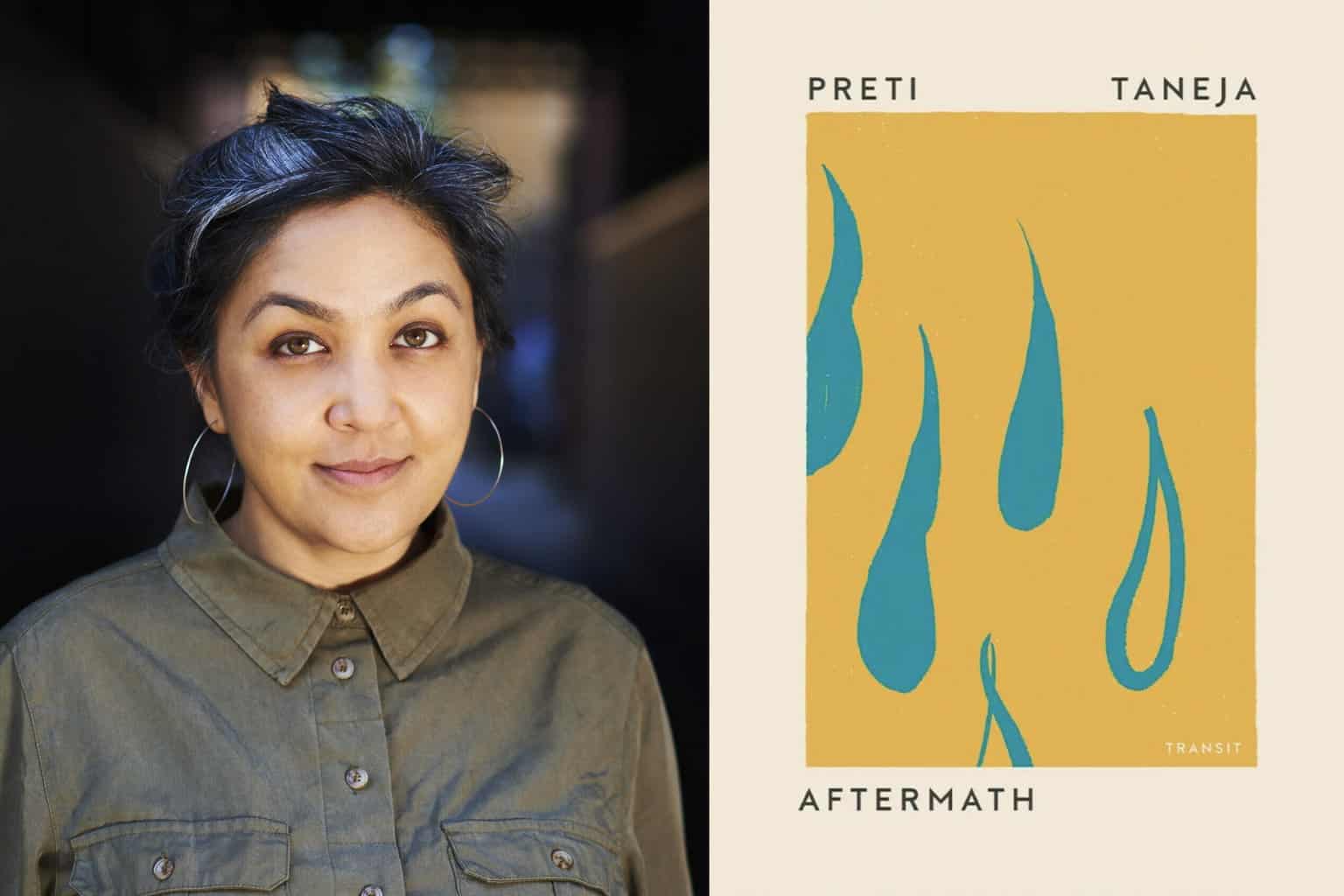
How does one write one’s way out of a traumatic event? Does disaster inevitably resist narrative? Preti Taneja speaks on language, loss, and possibilities of resolution.