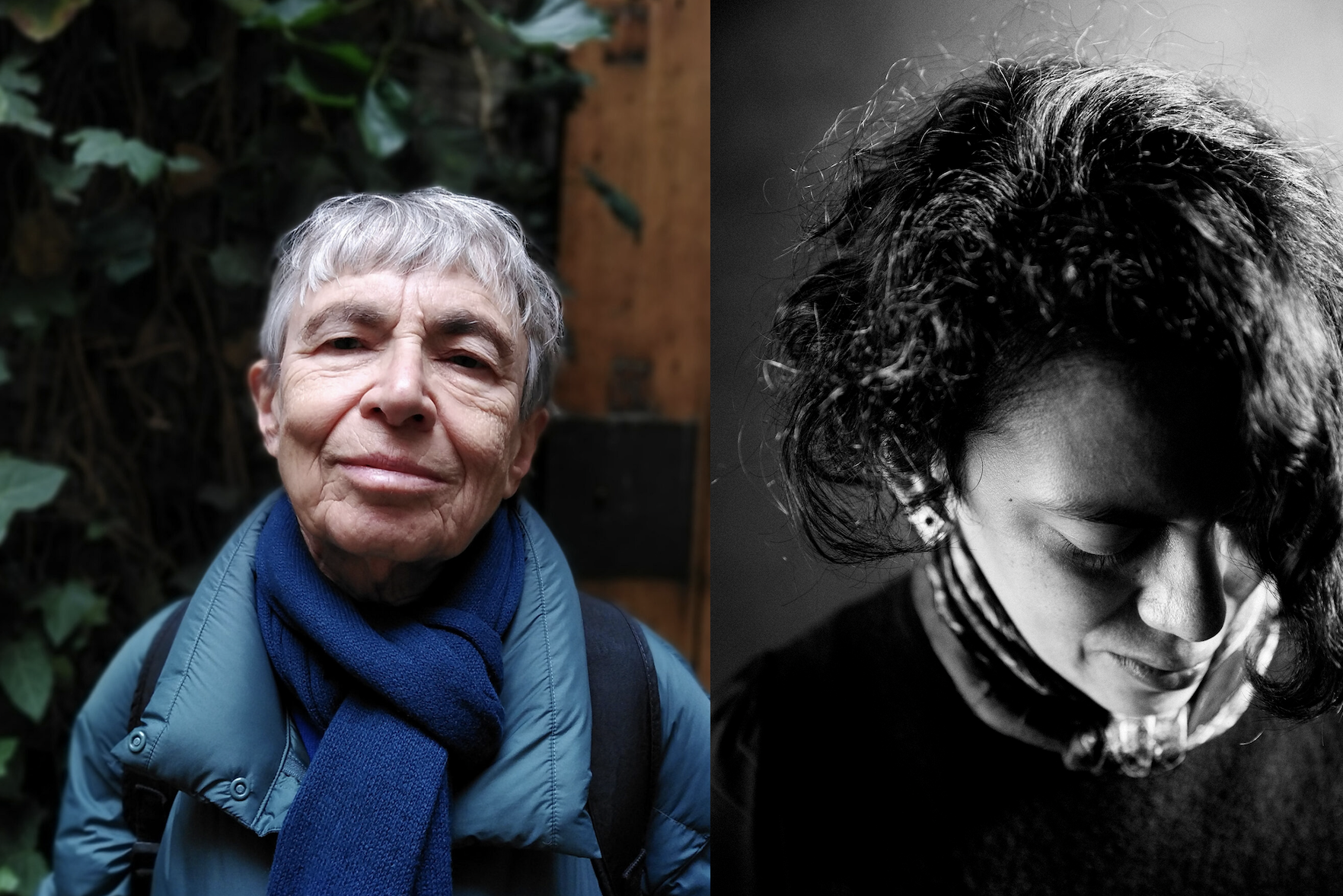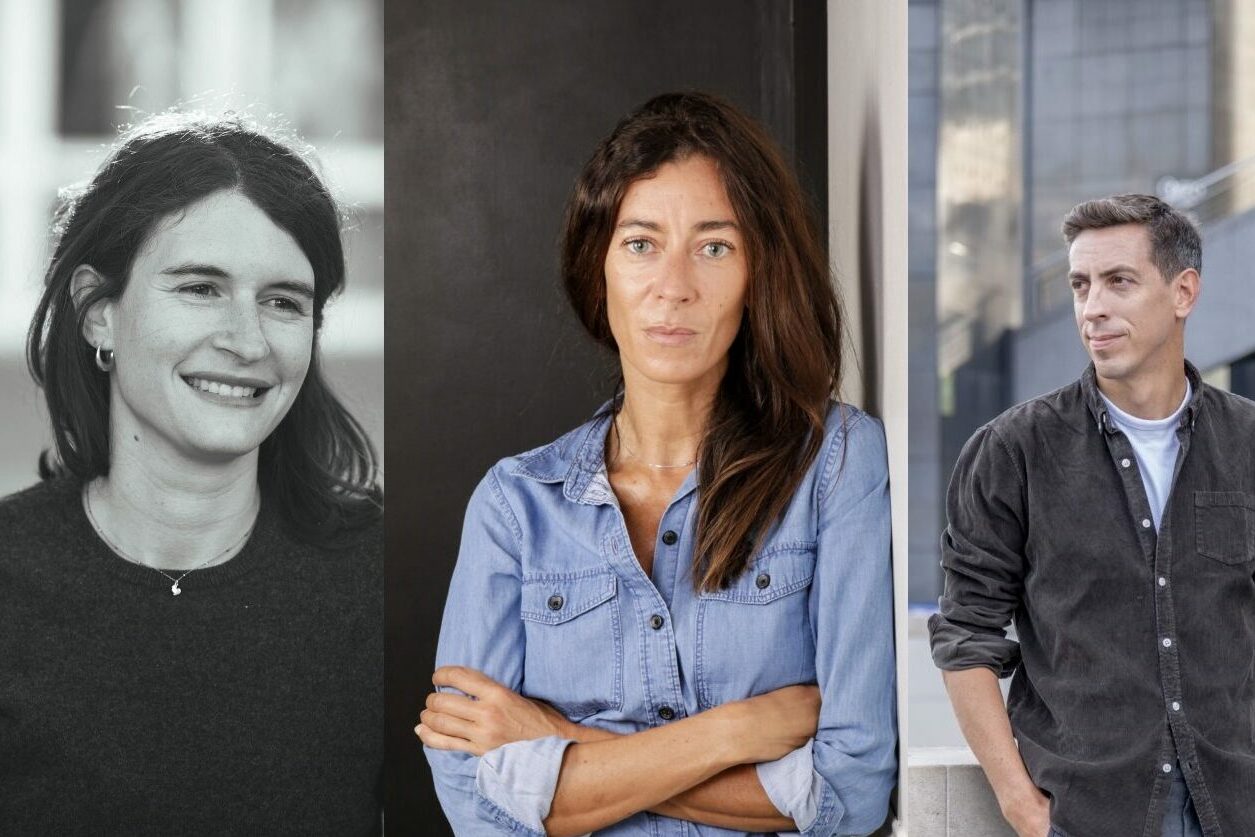
(Hybrid) The Task of Translation with Cécile Wajsbrot, Tess Lewis, and Anne Weber
Three translators reflect upon their movements between different languages and times in a discussion of Cecile Wajsbrot’s new, Virginia Woolf-inspired work, Nevermore.
Two experts in menopause discuss the science behind it, the reality of experiencing it, and the importance of broaching the subject.
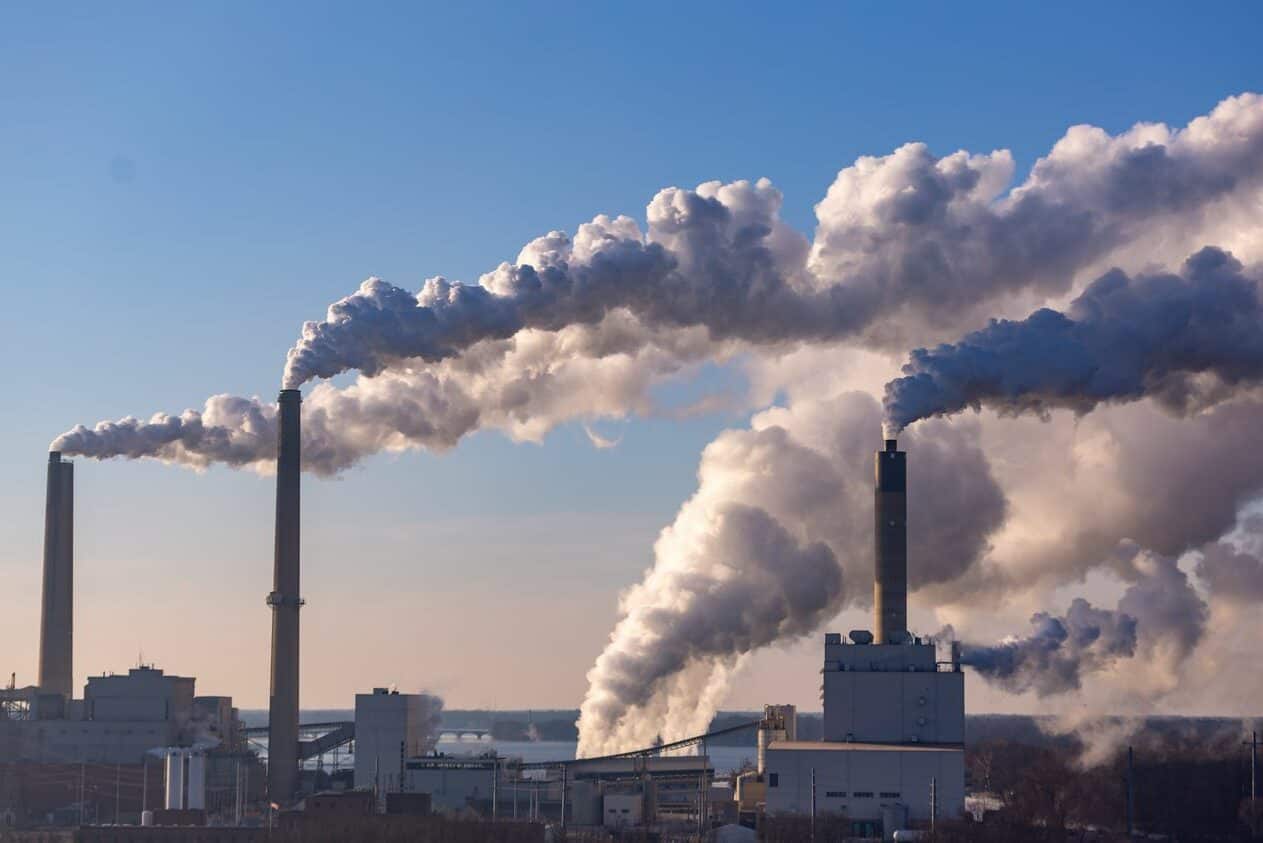
How is the environmental crisis an economic problem? What solutions are available? Three climate experts discuss the relationship between climate justice and capital.
What is to be done about African art in European museums? How can restitution happen? What museums and nations are responsible for acting? In conversation with Rachel Donadio, two experts on the subject discuss.
How can speaking about the villains of LGBTQ past build a more just LGBTQ future? Ben Miller reveals an alternative queer history.
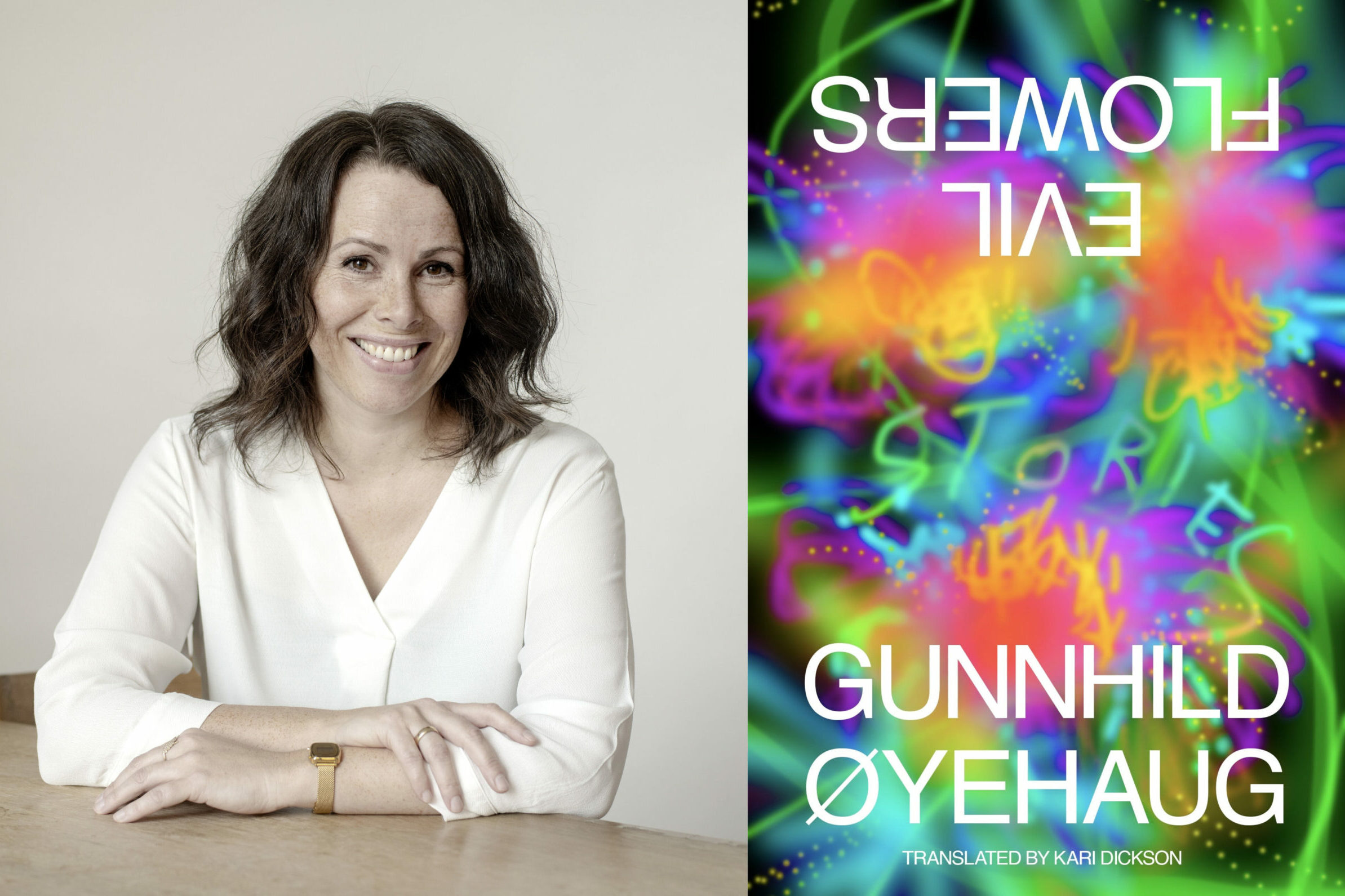
Novelist Kate Briggs and translator Yasmine Seale discuss motherhood, fiction, and time: making it, measuring it, filling it, and writing it.
2022-23 American Library Visiting Fellow Adrienne Raphel and poet Megan Fernandes read and discuss a selection of recent works. An evening dedicated to the practice of poetry in the modern world.
From their first foundations to the present day, celebrated art historian R. Howard Bloch takes us inside six of France’s most magnificent cathedrals.
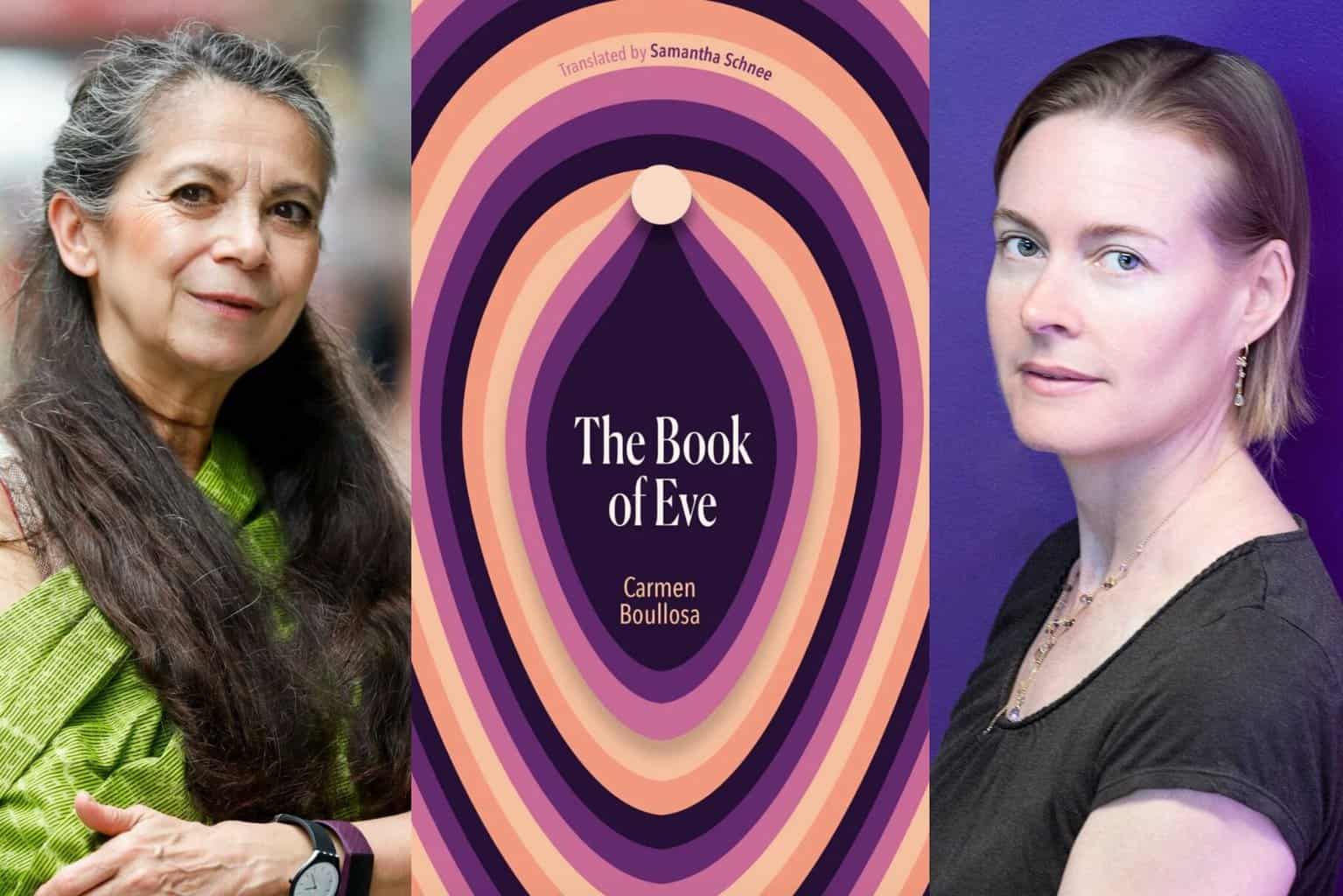
Carmen Boullosa and Samantha Schnee consider translation many times over: from the Book of Genesis, to Boullosa's Book of Eve, to Schnee's translation of Boullosa.
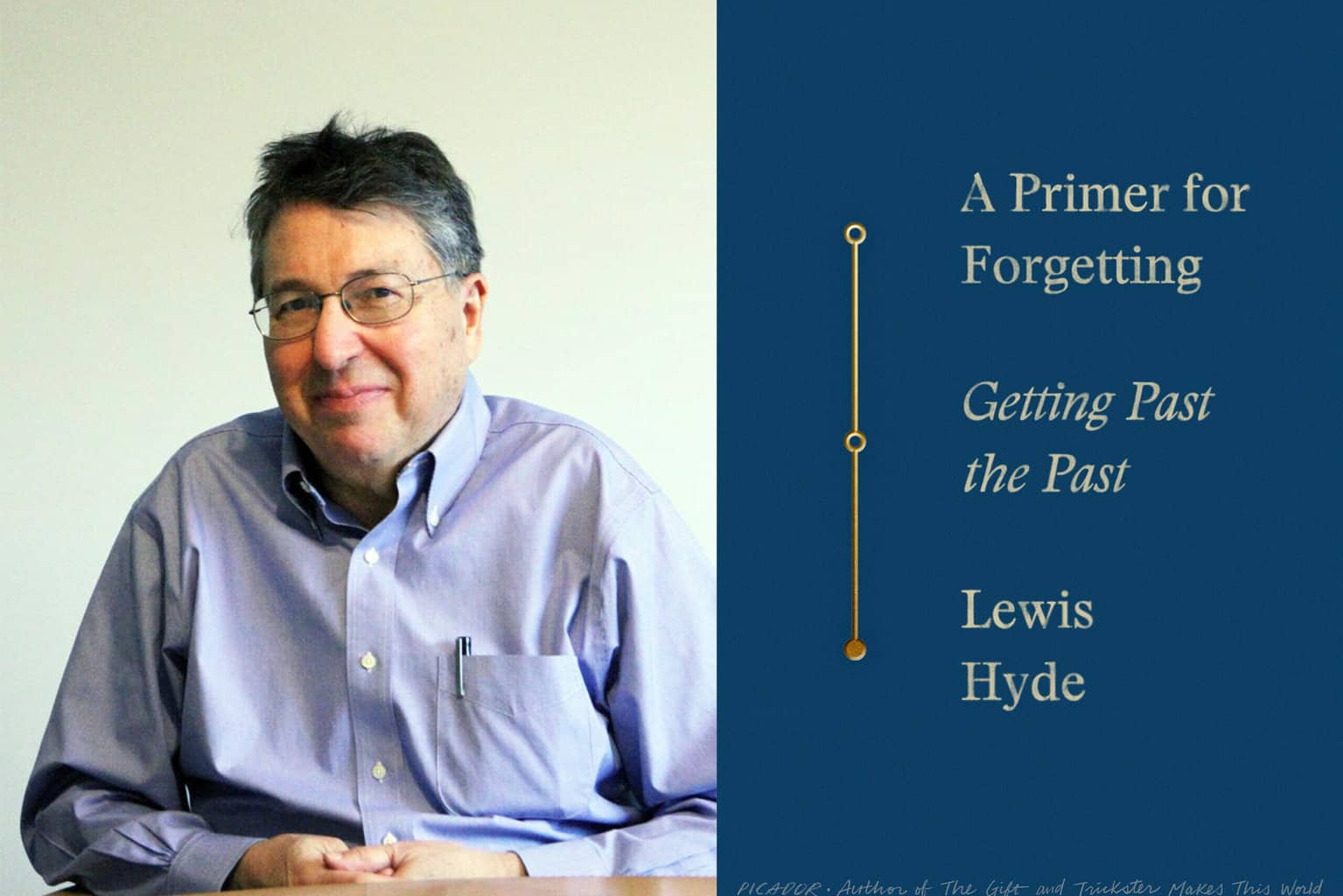
Celebrated literary critic Lewis Hyde asks us to reflect upon our obsession with memory and fear of forgetting. What might happen if we embraced letting go?
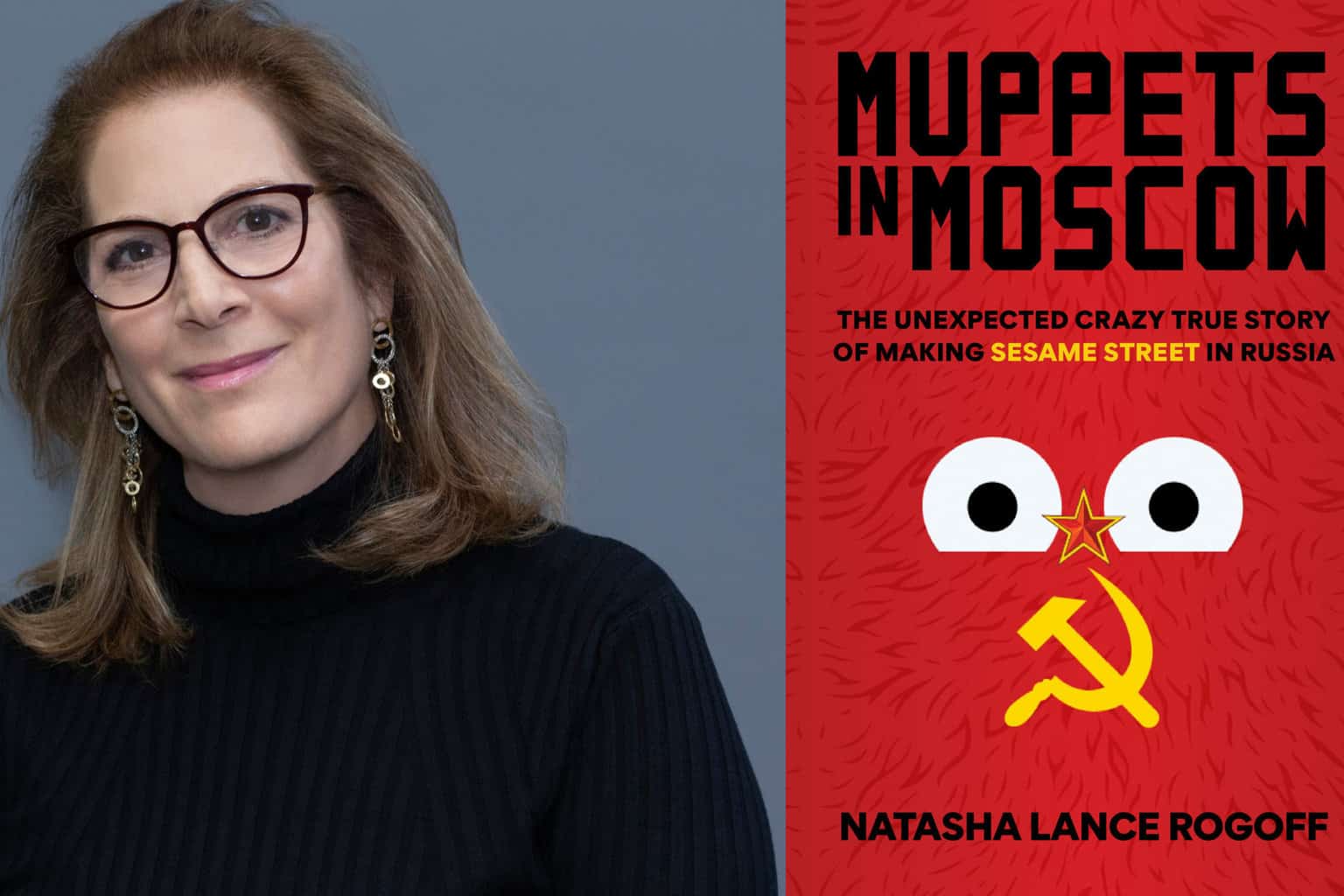
Sesame Street transformed children’s television in America. What happened when it was brought to the post-Soviet stage? The series’ lead producer tells all.
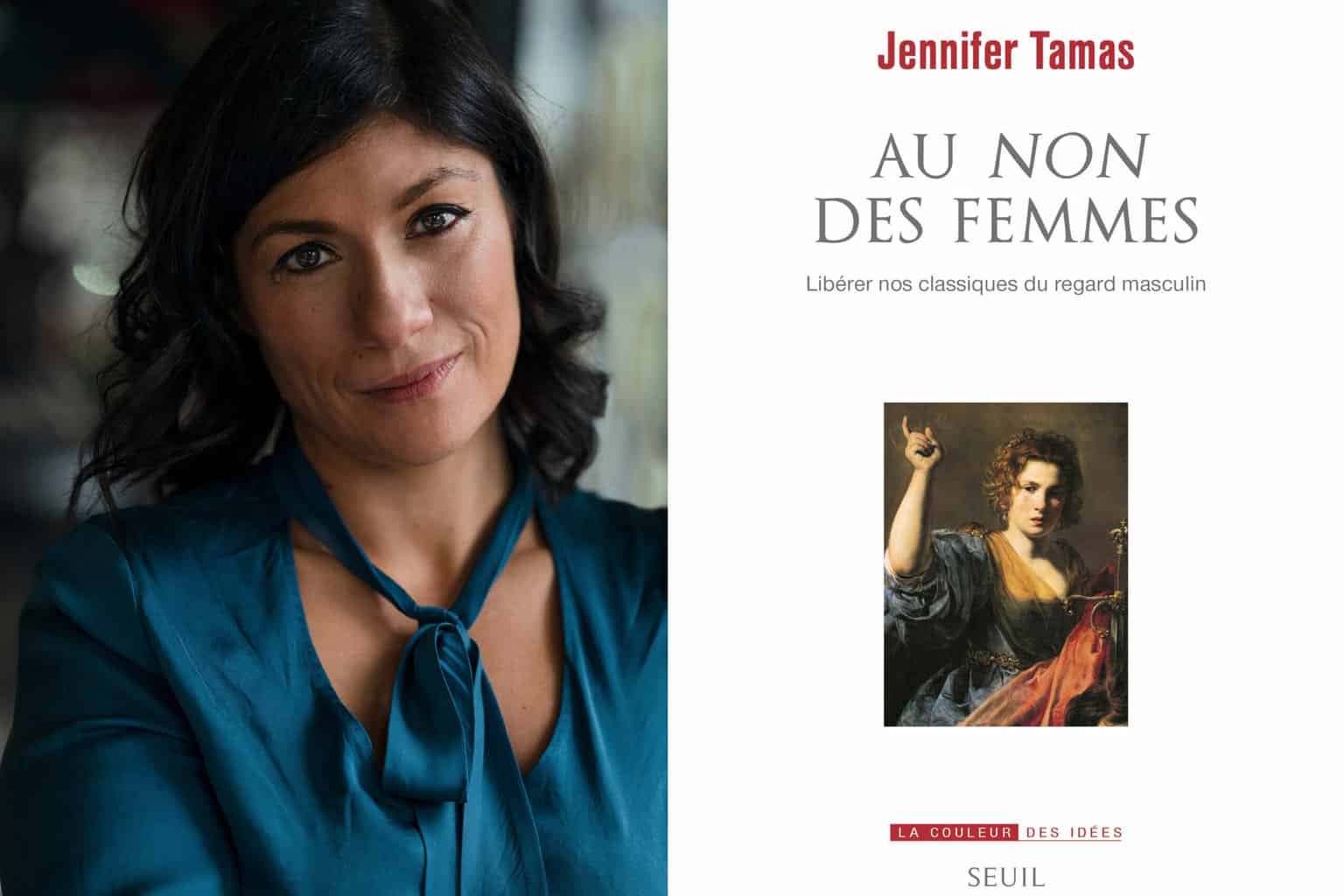
The heroines of classical literature may not have been as submissive as traditional interpretations propose. Learn how women across literature have repeatedly and strategically said ‘no’.